Handle the edge case
Provide human intervention when onboard automation cannot confidently continue.
I implemented 4G/5G-based teleoperation on an ADAS-enabled Droid setup on an NVIDIA Jetson, integrating ROS control, four-camera GStreamer feedback, and cross-system fault diagnosis.
The ADAS Droid served as the experimental platform for integrating remote commands, onboard execution, visual feedback, and physical actuation. The hardware made teleoperation a real systems problem rather than a software-only demonstration.
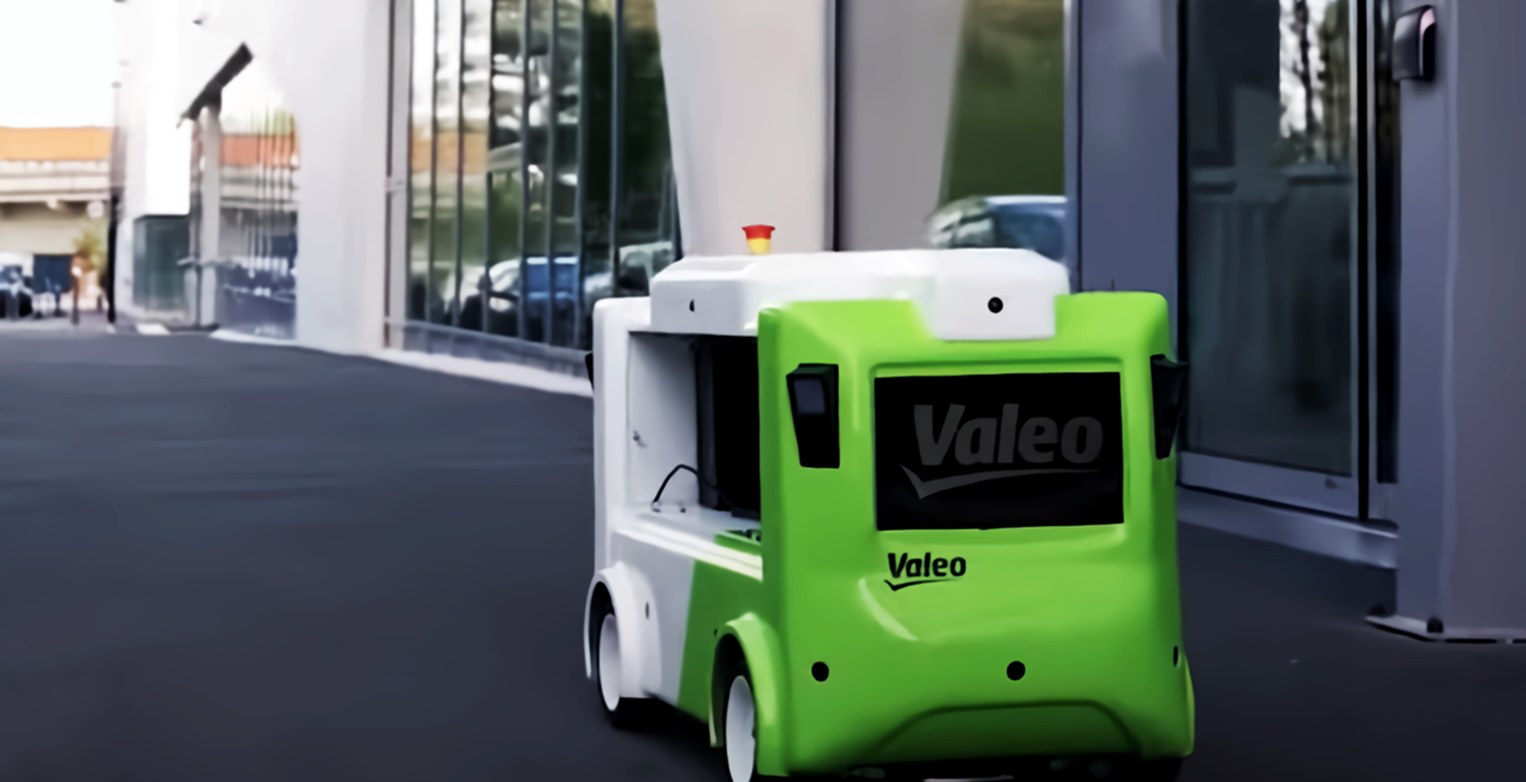
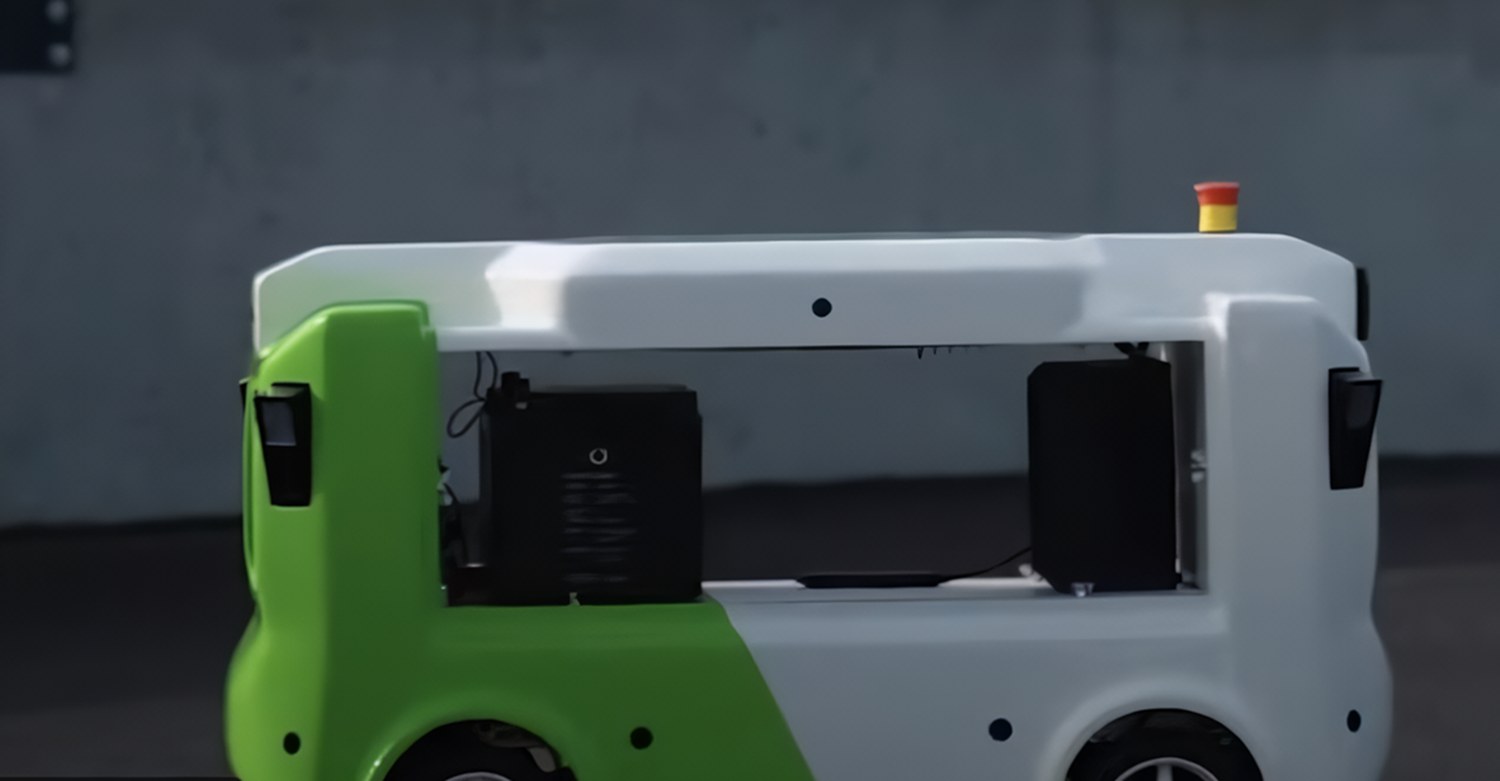
Automated-driving functions can encounter unusual or complex situations that they cannot resolve safely on their own. The project explored teleoperation as a human fallback: connect a remote operator to an ADAS-enabled vehicle, transfer steering and acceleration commands over a mobile/cloud link, and return enough live visual context for informed intervention.
Provide human intervention when onboard automation cannot confidently continue.
Translate remote input into bounded vehicle-side steering and acceleration commands.
Use four live camera streams so the operator can understand and navigate the environment.
Valeo owned the platform and wider architecture. My implementation focused on the Droid-side behavior and the interfaces that turned remote operator commands into a working physical response with visual feedback.
The implemented prototype used mobile connectivity, UDP-to-ROS command conversion, and GStreamer video. The diagram below extends that experience into a public, conceptual teleoperation architecture: time-sensitive control stays separate from video, every command carries freshness information, and loss of communication is handled locally by the vehicle.
Implemented core. Mobile-network control, UDP-to-ROS conversion, bounded steering/acceleration commands, and four-camera GStreamer feedback.
Conceptual extension. RTP/RTCP, redundant connectivity, synchronized recording, mirrored sessions, and a vehicle-local safety gate show how the prototype could evolve; they are not claimed as implemented project features.
The reliability work was end to end: separate a communication symptom from a robot-side software fault, confirm that commands reached actuation, and verify that the operator still received usable feedback. Debugging the interfaces was as important as debugging the modules.
Investigated steering and acceleration behavior across the ROS-to-physical-control boundary.
Separated capture, encoding, transport, and display problems that affected operator visibility.
Resolved Jetson and Linux environment issues that prevented the integrated stack from operating.
This stage focused on making remote control and visual feedback work reliably on the physical platform. Quantitative latency characterization and communication security were intentionally excluded from the project scope, as were production safety validation and fail-operational behavior.
Variable round-trip time can destabilize human control and make precise manoeuvres harder.
Camera-only feedback narrows depth, peripheral context, and the operator’s understanding of local risk.
Loss, bandwidth variation, and handovers can interrupt either command delivery or visual feedback.
Remote actuation requires authenticated, integrity-protected communication and a carefully defined trust boundary.
Continuous manual control scales poorly and can increase fatigue during long or complex missions.
A production system needs a deterministic response when commands, feedback, or connectivity become unreliable.